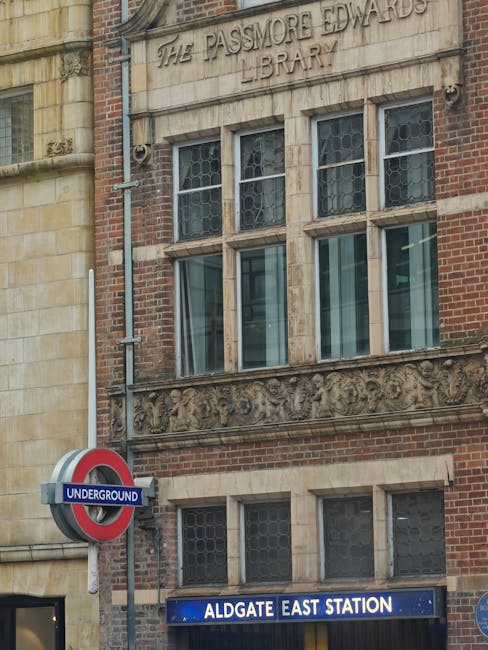
How Whitechapel Removals Handle Narrow Victorian Stairs
Posted on 02/06/2026
Victorian stairs can turn an ordinary move into a proper puzzle. They're often steep, tight on the turn, and awkward in ways you only notice once you try to move a wardrobe, sofa, or mattress through them. If you're wondering how Whitechapel Removals handle narrow Victorian stairs, the short answer is: with planning, the right lifting method, and a lot less rushing than people expect.
In Whitechapel, that matters more than you might think. Many flats in older terraces and converted buildings have narrow landings, awkward rail heights, and corners that seem designed to catch furniture at the worst possible moment. A good removal team doesn't just "try harder"; they assess the staircase, protect the property, choose the right route, and decide whether a piece should be dismantled, carried with specialist technique, or moved by a different access point altogether. It's careful work, not guesswork.
This guide explains the process in plain English, so you can see what a professional team is actually doing, why it helps, and how to prepare your own move so nobody ends up wedged halfway up the stairs. Let's face it, no one wants that scene.
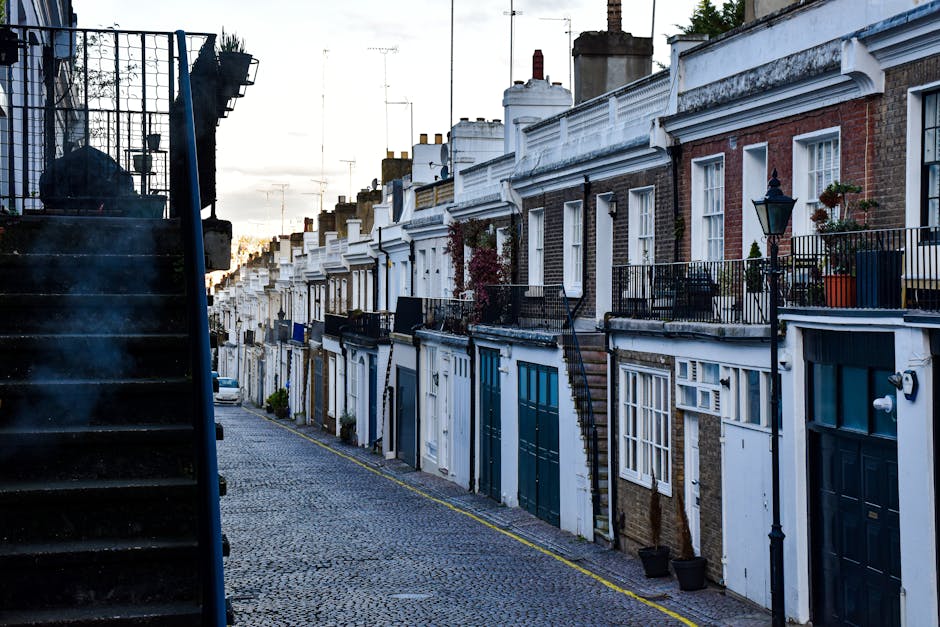
Why Narrow Victorian Stairs Matter in Whitechapel Moves
Victorian staircases are charming until moving day. They're often narrower than modern stairwells, with tighter turns, shallower landings, and more chances for a sofa arm to scrape paint or a bed base to catch on a banister. In Whitechapel, where flats are frequently in converted period buildings, this is not a rare issue at all. It's routine.
Why does it matter so much? Because stair geometry changes the whole move. A piece of furniture that looks fine in the hallway can become impossible once it reaches the first bend. The team has to think about width, height, angle, grip, weight distribution, and wall clearance at the same time. That sounds a bit dramatic, but it's true. One awkward turn can make a simple lift unsafe very quickly.
For the customer, the impact is usually one of three things:
- the risk of damage to furniture, walls, or banisters rises fast
- the move takes longer if the route is not planned properly
- injury risk increases if people try to force items through
If you've ever watched two people trying to pivot a wardrobe on a stair landing, you know the feeling. Quiet panic. A little sweat. Then the moment where everyone says, "Okay, down again, let's think."
That is exactly why professional removals in older Whitechapel properties rely on preparation rather than brute strength. And if you're still working out the rest of your move, it can help to read practical guidance like your guide to a smooth and stressless house move or why decluttering first makes everything easier.
How Narrow Victorian Stairs Works
Handling narrow Victorian stairs is a mix of surveying, planning, lifting technique, and sensible decision-making. A decent team will not walk in and hope for the best. They'll look at the stairwell, the item, and the route, then choose the safest way to get the job done.
1. Measure the item against the staircase
The first question is simple: will it fit? But "fit" is not just about raw width. The team considers:
- the width of the stairwell and landings
- the height of the item compared with the ceiling and rail height
- the angle needed to turn corners
- whether the item can be carried upright, side-on, or tilted
Sometimes a piece that seems too large can be manoeuvred with the right angle. Other times, the answer is plain no. Better to know that early than find out with a scratched wall and a stuck chest of drawers.
2. Decide whether dismantling is worth it
Many items move far more easily if they are partially dismantled first. Beds, wardrobes, tables, and some shelving units often benefit from removing legs, headboards, doors, or shelving inserts. The less unnecessary bulk, the easier the staircase becomes. If you're moving bedroom furniture, useful reading includes how to relocate a bed and mattress without the drama.
There's a judgement call here, though. Dismantling takes time and must be done carefully so fittings aren't lost. A professional team weighs that against the time saved on the stairs.
3. Protect the property before the first lift
Before furniture starts moving, the team may place protectors on bannisters, doorframes, and floors where needed. That helps reduce scuffs, chips, and friction marks. In older buildings, this matters even more because painted woodwork, plaster edges, and narrow turns can be surprisingly delicate.
4. Use coordinated lifting and rotation
This is where experience really shows. Moving through a narrow Victorian stairwell is often less about lifting straight and more about controlled rotation. One person guides the front end, another controls the rear, and both need to move in sync. There's a lot of "higher on my side" and "pause there" going on. Not glamorous, but very effective.
5. Re-route if the stairs are the wrong option
Sometimes the best answer is not to force the internal staircase at all. If a property has another access point, a ground-floor transfer, or a safer alternative route, the team may recommend that instead. Good removals are about the move, not about proving a point.
6. Keep heavy or fragile items separate
Bulky items like pianos, sofas, and certain appliances deserve their own handling plan. For example, a piano should not be treated like a standard box. If that's part of your move, it's worth looking at why DIY piano moving is a bad bet and the dedicated piano removals Whitechapel service.
Key Benefits and Practical Advantages
Using a trained team for narrow Victorian stairs is not just about convenience. There are practical benefits you feel immediately, even before the van pulls away.
- Less damage risk: careful lifting and route planning reduce the chance of scratched walls, chipped steps, and torn upholstery.
- Faster decision-making: experienced movers can tell quickly whether an item will fit, need dismantling, or require a different approach.
- Better protection for furniture: awkward turns are where corners get knocked. A controlled team move keeps items stable.
- Lower physical strain: narrow stairs demand twisting and balance, which is where back strain and slips can happen.
- Less stress on move day: the calmer the process, the easier it is to keep the rest of the house move on track.
There's also a quieter benefit: confidence. When you know someone has already handled dozens of staircases just like yours, you stop worrying about the one tight corner by the kitchen. You can focus on the actual move, not on whether the banister is about to lose an argument with a wardrobe.
If you're comparing services, a broader overview such as the services overview or removal services in Whitechapel can help you see how stair access fits into the wider plan.
Who This Is For and When It Makes Sense
This approach is especially useful if you live or work in a period property, a converted flat, or a maisonette with a tight internal staircase. In Whitechapel, that covers a lot of people.
It makes particular sense for:
- tenants moving out of upper-floor flats
- homeowners in older terraces or converted buildings
- students moving into compact properties with awkward access
- small offices in older buildings with narrow internal stairways
- anyone moving large furniture into or out of a property with limited turning space
If your move involves fewer items and a lighter load, a man and van Whitechapel option may be enough. If the property has more volume, the staircase becomes just one piece of the puzzle, and a full house removals Whitechapel or flat removals Whitechapel service may be the better fit.
Truth be told, this is also for anyone who doesn't want to risk a DIY lift with a mate and a tea break. Not every move needs heavy machinery, but narrow Victorian stairs do ask for proper judgment.
Step-by-Step Guidance
Here's how a careful stair-sensitive move usually unfolds.
Step 1: Share honest access details early
Tell the removals team about the staircase before moving day. Mention steep steps, tight bends, low ceilings, banisters, attic stairs, or any awkward turn. If there is a lift in the building, say whether it actually works for your item sizes. Small detail, big difference.
Step 2: Walk the route before lifting anything
The team should look at the staircase, the landings, and the doorways before starting. They may test turns with the item held at different angles. That first look often reveals whether something needs to be dismantled or carried by an alternative route.
Step 3: Prepare furniture for movement
Remove loose parts, empty drawers, secure doors, and pack fragile contents separately. This reduces weight and stops things shifting mid-carry. If you want help getting the packing right, packing for a stress-free move is a useful companion read.
Step 4: Protect the house
Use floor coverings, corner guards, blankets, or wraps where needed. Not every move needs every protector, but it's wise to prevent the obvious little accidents. A scuffed stair edge is the sort of thing everyone notices later.
Step 5: Lift in a controlled rhythm
Once the item is ready, one mover leads, another stabilises, and both keep communication simple. The safest pace is often slower than people expect. That's fine. Slower on the stairs usually means quicker overall, because there's less stopping, fewer resets, and far less risk of damage.
Step 6: Reassess on landings and turns
Landings are where a move can be won or lost. A short pause to re-angle the item is normal. Teams will often adjust grip, rotate the item, and move it a few inches at a time. It's a little methodical, but that is the point.
Step 7: Keep fragile and awkward items separate
Very delicate or high-value items may get special handling. For example, a sofa might be wrapped differently from a mattress, and a mattress may need a cleaner, straighter route. If you're moving bulky furniture into storage later, the sofa storage guide can help you avoid avoidable wear.
Expert Tips for Better Results
A few small choices make the whole process smoother. These are the bits people often overlook, then regret at 5:30 in the afternoon when the hallway is full of boxes and the kettle is packed somewhere mysterious.
- Measure the awkward pieces, not just the room. A wardrobe that fits in the bedroom may still fail on the stairs because of its diagonal sweep.
- Clear the stairwell completely. Shoes, plant pots, baskets, and stray coats all become obstacles.
- Pack light where possible. Heavy boxes on stairs are nasty. Keep books, tools, or kitchenware in smaller loads.
- Label furniture parts clearly. If something is dismantled, put fittings in a bag and tape it to the item or keep it with the box set.
- Tell the team about delicate finishes. Gloss paint, veneer, glass, and antique wood all need a different touch.
- Choose move timing carefully. On busier roads around Whitechapel and nearby streets, timing can help reduce pressure on the loading phase. A few readers also find the local timing advice in the best times for Whitechapel removals useful.
If you are moving at short notice, a team that also offers same day removals Whitechapel may be worth considering. Just remember: speed helps only if the access plan is still sensible.
And one more thing, a bit obvious maybe, but worth saying: don't leave the largest item until the end and hope it will "just go." That way lies disappointment.
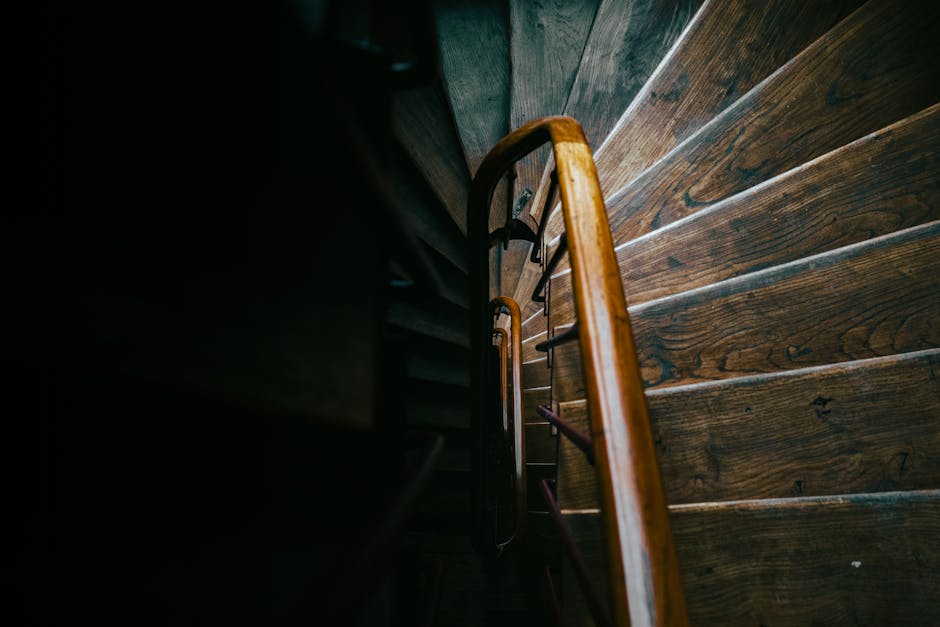
Common Mistakes to Avoid
Most stair problems are preventable. The trouble is, they usually happen because people underestimate the staircase or overestimate how much force solves the issue.
- Forcing oversized furniture through a turn: if it does not pivot cleanly, stop and re-evaluate.
- Underpacking small items: loose contents make boxes heavier than they need to be and harder to balance.
- Ignoring banister clearance: the railing often reduces usable width more than people expect.
- Not emptying drawers: this makes furniture unnecessarily heavy and unstable.
- Skipping dismantling to save time: sometimes the "quick" option is actually the slower one.
- Not telling the removals team about access issues: surprises on the day are nobody's favourite.
There's also a common emotional mistake: assuming a Victorian staircase is "just a bit narrow" and therefore manageable in the same way as a modern one. In reality, older stairs can be a completely different moving environment. A little respect goes a long way.
Tools, Resources and Recommendations
You don't need specialist kit to understand or prepare for this kind of move, but certain tools and materials make a big difference.
| Tool or Material | What It Helps With | Why It Matters on Narrow Stairs |
|---|---|---|
| Furniture blankets | Surface protection | Reduces scratches, scuffs, and friction |
| Straps and harnesses | Controlled lifting | Improves grip and stability on turns |
| Protective floor coverings | Floor safety | Helps keep steps and landings clean and intact |
| Dismantling tools | Taking furniture apart | Can turn a near-impossible carry into a straightforward one |
| Labels and bags for fittings | Organisation | Stops time being wasted later hunting for screws |
| Strong packing boxes | Safe item transport | Smaller, lighter boxes are easier to control on stairs |
If you still need boxes or packing materials, packing and boxes Whitechapel is a sensible place to start. If the move is mainly a single van load with a few big pieces, a removal van Whitechapel solution can be enough. For a wider move, removal companies Whitechapel gives you a broader comparison point.
Expert summary: on narrow Victorian stairs, the best results come from three things working together: accurate access information, sensible preparation, and controlled lifting. When one of those is missing, the move gets harder very quickly.
Law, Compliance, Standards, or Best Practice
With moving and lifting, the main concern is safety and care, not legal drama. In the UK, removal work is generally expected to follow sensible health and safety practice, use suitable manual handling methods, and protect property while work is carried out. You do not need to memorise regulations to make a good move, but you should expect a company to think about risk, communication, and safe handling.
In practical terms, that means:
- using team lifting for awkward or heavy items
- avoiding unsafe twisting or carrying positions
- protecting stair surfaces where needed
- making reasonable plans for fragile or high-value items
- being honest when a staircase is unsuitable for a particular piece
A professional team should also be clear about terms, insurance, and what happens if an issue arises. That's why pages like insurance and safety, health and safety policy, and terms and conditions matter. They help set expectations before anyone starts carrying a sofa up two flights of Victorian stairs and pretending it's a normal afternoon.
If a move involves specialist or sensitive conditions, a good provider should also have a clear way to handle issues or complaints. That kind of transparency builds trust, even before the first box is lifted.
Options, Methods, or Comparison Table
Not every staircase move should be handled the same way. The right method depends on the item, the building, and how much access you actually have.
| Method | Best For | Pros | Limits |
|---|---|---|---|
| Careful manual carry | Most standard furniture and boxes | Flexible, efficient, works in tight homes | Requires skill and the right team coordination |
| Dismantling first | Wardrobes, beds, shelving, tables | Makes items smaller and easier to turn | Takes extra time and organisation |
| Alternative access route | Very awkward or oversized pieces | Can reduce stair damage and strain | Depends on the property layout |
| Specialist handling | Pianos, large antiques, fragile or heavy items | Better control and protection | Usually needs more planning |
To be fair, the "best" option is often a mix of methods. A bed may be dismantled, a chest of drawers carried whole, and a mattress wrapped and moved separately. That's normal. Efficient moves are rarely one-size-fits-all.
Case Study or Real-World Example
Here's a realistic Whitechapel scenario. A tenant is moving out of a top-floor Victorian conversion near a busy stretch of road. The staircase is steep, the turn at the half landing is tight, and the banister leaves only limited room for anything bulky.
The move includes a bed frame, mattress, two bookshelves, a sofa, several boxes, and a small desk. At first glance, the sofa looks like the real problem. But after a quick access check, the team decides the bed frame should come apart first, the bookshelves should be emptied and carried one at a time, and the sofa should be rotated on the landing rather than lifted in a straight line. The desk, oddly enough, is the easiest thing of the lot.
No item gets rushed. There is a short pause at the top landing to adjust the angle of the sofa because the ceiling drop is lower than it looked from below. A very ordinary moment, really. One of those "hold on, let's tilt it here" moments. The job finishes without damage, and the tenant gets the keys handed back without worrying about fresh paint repairs.
The lesson? On narrow Victorian stairs, success usually comes from sequencing rather than strength. Put the right item on the right route at the right time. That's the whole game.
Practical Checklist
Use this before move day if your property has tight Victorian stairs.
- measure the widest furniture pieces and note their height
- check whether beds, tables, or wardrobes can be dismantled
- clear all hallways, landings, and stair treads
- tell the removals team about steep steps or awkward bends
- separate fragile items and pack them securely
- empty drawers and remove loose shelves or fittings
- protect floors and painted surfaces where appropriate
- keep boxes light and balanced for stair carrying
- confirm whether a better access route exists
- review insurance, safety, and terms before the day
If you're still getting organised, decluttering first and leaving the house pristine can both make the last 24 hours feel much calmer.
Conclusion
Narrow Victorian stairs are one of the most familiar challenges in Whitechapel removals, and they reward careful planning every single time. The best teams do not treat them as a nuisance to rush through. They treat them as a known access problem that can be managed with the right route, the right lifting technique, and a clear plan for each item.
For you, the takeaway is simple. Share access details early, prepare furniture properly, and choose a removals service that understands older properties rather than pretending every staircase is the same. That little bit of thought can save time, protect your belongings, and keep the whole move feeling far less fraught than it might otherwise be.
If you want a move that feels organised from the first box to the last step, speak to a team that handles awkward access all the time and knows Whitechapel's older buildings inside out.
Get a free quote today and see how much you can save.
Sometimes the best move is simply the one that feels calm halfway through. That's a good feeling, and honestly, worth aiming for.