Man With Van Whitechapel

Our man and van service in Whitechapel is built for straightforward, well-planned moves that need a practical vehicle, careful loading and sensible routing. We help with home removals, furniture transport, single-item collections and light commercial moves, giving customers a flexible option when a full-scale removals team is more than they need. The focus is on moving items safely, keeping the work organised and matching the van size and crew to the job.
Whitechapel properties often involve narrow streets, flats, stair access and timed loading considerations, so a good move depends on preparation as much as muscle. We handle man with van moving with attention to item protection, access and the sequence of loading so that the journey is efficient from start to finish. If you are comparing options, removal services can cover a broader range of tasks, while a van-based move is often the more direct choice for smaller or simpler loads.
For a straightforward start, you can request a quotation or use the contact details on the site to outline what needs moving. A clear list of items, collection and delivery points, floor levels and any awkward objects helps us work out the most suitable approach. Simple, accurate information makes it easier to plan the right vehicle and crew without overcomplicating the process.
Home moving support
Home moves using a van are often best when the load is manageable but still needs proper care. Sofas, beds, tables, boxes, appliances and packed household items can all be moved in a careful sequence, with attention to fragility and the order in which pieces should be loaded. A van-based move can suit tenants, first-time buyers, flat moves and smaller family relocations where the challenge is organisation rather than volume alone.
We can also support customers who need help with home moves that include several rooms of furniture or awkward access. If the job includes dismantled items, boxed belongings and a few larger pieces, the aim is to keep everything stable and avoid unnecessary handling. In practical terms, that means thinking about what should go on first, what needs covering and what ought to travel upright rather than flat.
What usually makes a domestic move run smoothly
Preparation is mostly about clarity. A good move benefits from an honest item list, a note of parking restrictions and a quick check of lifts, stairs or tight turns. It also helps to separate items that must stay accessible, such as documents or valuables, from the main load. When the details are clear, the moving day itself can be more orderly and the vehicle space can be used efficiently without wasted rearranging.
Furniture pick-up and single-item transport

Not every job is a full relocation. Many customers need a van for a single sofa, wardrobe, washing machine, dining set or second-hand purchase, and those smaller moves still deserve careful handling. Our furniture pick-up service is designed for those one-off transport needs where the item is too bulky or awkward for a car but does not require a large removals crew.
Single-item transport works best when the item is measured, protected and loaded with the route in mind. Delicate finishes, glass components and protruding fittings may need wrapping or stabilising before the van sets off. If the collection point and delivery address differ in access or parking, that difference matters, because it changes the time needed for loading and the way the item should be carried.
Typical items that suit a van collection
- Flat-pack furniture that still needs careful handling once assembled
- Second-hand items collected from shops, marketplaces or private sellers
- Large household appliances that must remain upright where possible
- Bulky pieces that need two people for safe lifting
- Disposal or transfer items that are too large for ordinary transport
Packing, loading and item protection
Good transport is not only about driving from one address to another. Packing, wrapping and sensible loading reduce the chance of scuffs, crushed corners and movement during transit. We can support jobs that benefit from packing and unpacking services, especially where household goods, small furniture or mixed boxes need to be prepared in a tidy and consistent way before the vehicle is loaded.
For customers who prefer to pack themselves, it is usually worth using sturdy boxes, filling empty space and keeping weight balanced. Heavy items belong low in the load, with lighter or more fragile boxes above them. If something has drawers, doors or detachable parts, those elements should be secured so that they do not shift. This kind of preparation is simple but important, because movement inside the vehicle can cause avoidable damage.
Our approach is practical rather than fussy: protect the items that need it, stack the load sensibly and make sure access at delivery is considered before arrival. Careful handling is most effective when it starts before the van moves, not after. If you are unsure how a mixed load should be organised, a brief description of the items is often enough to shape the loading plan.
Office and small business moves

Man and van transport is also useful for small business moves, studio shifts and straightforward office relocations. Desks, chairs, monitors, filing units and boxed equipment can often be transferred without the scale of a full office removals project. When the list is modest and the timing is clear, a van can be a practical way to move equipment while keeping disruption under control.
Where business premises are involved, the sequence of loading matters even more. Items that are needed first at the destination should be packed last or made easy to reach, and fragile equipment should not be boxed in behind heavy furniture. For more structured commercial moves, office relocation services give a clearer framework for managing desks, fittings and working equipment across one or more locations.
Planning around access, timing and equipment
Office moves often involve shared entrances, loading restrictions or a limited time window for collection. That means the move works best when the scope is defined early. If computers, printers or other sensitive items are included, they should be identified in advance so that protection and placement can be considered. The aim is to move equipment neatly, without losing track of what belongs where.
Household removals with a van
Some customers want a van because the move is small enough to stay simple, but still too important to improvise. Our house removals approach is suitable for compact domestic moves, student relocations, flat transfers and partial household transport. The service is especially useful when you want help with lifting, loading and delivery but do not need a large multi-vehicle operation.
The key to this kind of job is matching capacity to the load. A well-planned van move can reduce wasted trips and avoid overpacking, while still staying nimble enough for local streets and tighter access points. If some items are being left behind or collected from storage, that can be incorporated into the route as long as it is clear from the beginning. A sensible plan keeps the move economical in time and movement.
For related jobs, house movers may be a useful option when the move includes more handling or a fuller domestic load. The most suitable choice depends on the size of the property, the amount of furniture and whether the job is a straight point-to-point transfer or a more involved multi-stop move.
Whitechapel as a moving area
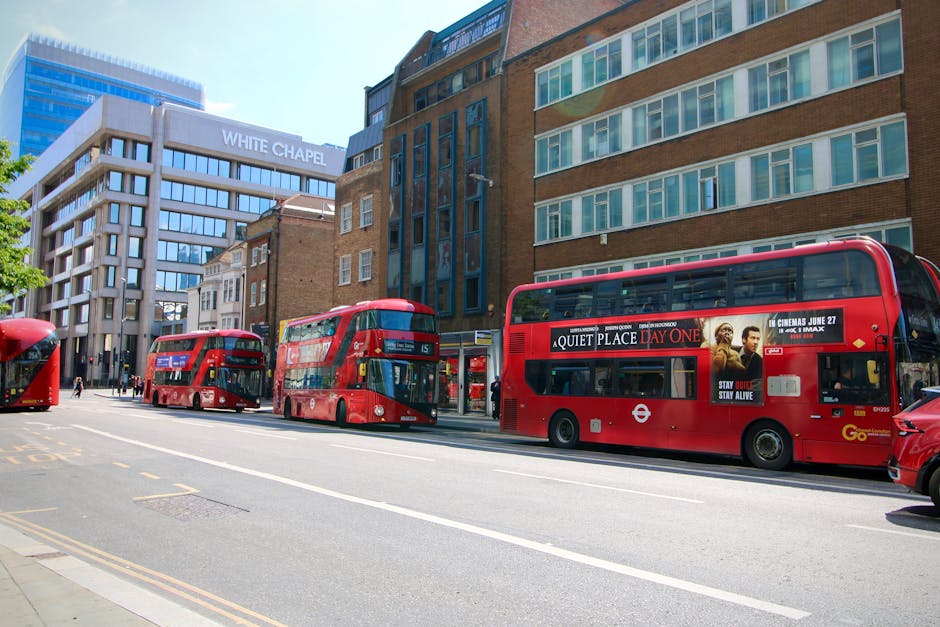
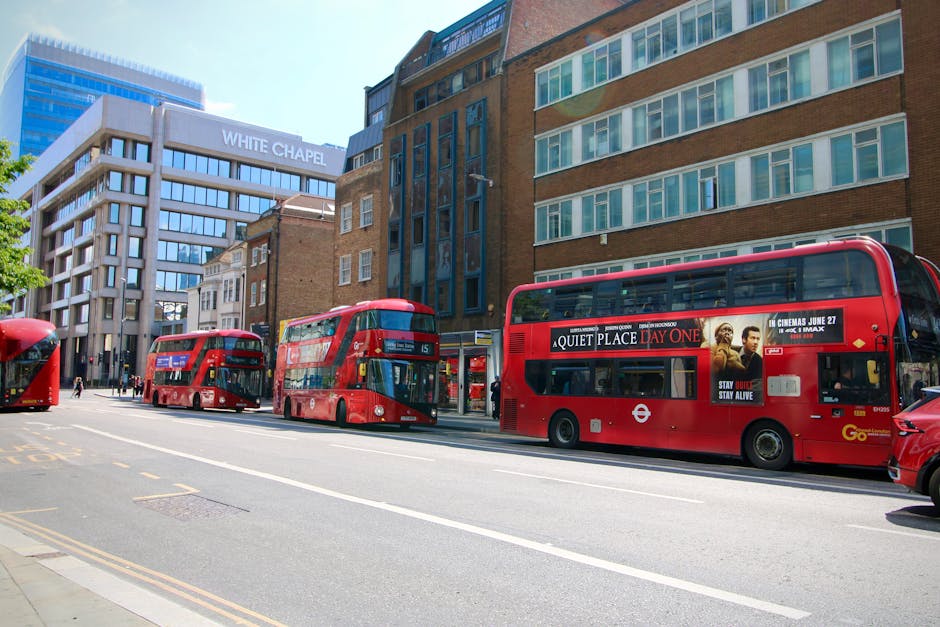
Whitechapel is a district in the London Borough of Tower Hamlets, in East London, shaped by centuries of change along the route east from the City. Its name is linked to the former medieval chapel that once stood near Whitechapel Road, and the area later became known for markets, industry, immigration and dense urban housing. The street pattern still reflects layers of development, with Whitechapel Road acting as a major east-west spine and Commercial Road nearby linking the district to wider routes through the East End. Whitechapel has long sat close to places of movement and exchange, from the old London Hospital quarter to the busy commercial corridors that grew around the Docklands and the riverside economy. The area’s historic character can be seen in surviving institutional buildings, terraces and later redevelopment, while the nearby Royal London Hospital and Whitechapel Gallery have become prominent reference points in the modern district. The Overground and Underground connections, together with the Elizabeth line station at Whitechapel, have made the area even more connected within London, but the local feel still comes from its mix of older streets, markets, housing estates, faith buildings and contemporary public spaces. Taken together, these features give Whitechapel a distinctive urban character that is both deeply historic and very present-day, with a streetscape shaped by movement, trade and layered communities.
Why vehicle choice matters
Choosing the right vehicle is often the difference between a move that feels smooth and one that feels crowded. A van should suit the volume, shape and weight of the load, not just the number of items. Long furniture, mixed boxes and awkward pieces may fit in theory but still require thoughtful stacking so that nothing is forced into place. That is why a short description of the load is usually more useful than an estimate based on guesswork.
There is also a practical difference between carrying items for a one-way transfer and making several stops. A smaller load may allow for easier loading order, while multiple collections can add complexity because each stop may involve a different path, access point or level of lifting. When planning this kind of job, it helps to note whether items are already boxed, whether they can be dismantled and whether there are any heavy pieces that need special handling.
For customers comparing services, man and van removals can be a straightforward match when the job needs lifting, loading and transport in one package. If the move turns out to be larger, broader options may be more suitable, but the simplest choice is usually the one that fits the actual load rather than the maximum possible load.
How to prepare a clear enquiry

When you ask for a quote, the most useful details are usually the basics: what needs moving, where it is coming from, where it is going and whether there are stairs, lifts or awkward access points. It also helps to mention any unusually heavy items, fragile pieces or objects that need dismantling. That information does not need to be elaborate; it just needs to be enough to avoid surprises and support a practical moving plan.
If you are gathering information before booking, keep the list concise but complete. A move becomes easier to assess when the main objects are named and the route is known. For some jobs, a short message is enough; for others, photographs or an item list can help. The point is to communicate the load clearly so that the right size of van and the right amount of handling can be considered from the start.
To begin, contact us or request a quotation today. If you are still comparing options, our about us page and complaints procedure are available on the site, but for most customers the next step is simply to send the move details and let us help plan the transport.