Parking Suspensions for Moves on Commercial Rd, Whitechapel
Posted on 29/07/2026

Parking Suspensions for Moves on Commercial Rd, Whitechapel: A Practical Guide for Smooth Move Days
If you are moving on or near Commercial Rd in Whitechapel, parking can become the one detail that quietly controls the whole day. A van arrives, boxes are ready, someone is still looking for a space, and suddenly the clock starts winning. Parking suspensions for moves on Commercial Rd, Whitechapel can take a lot of that pressure away by creating a clearer loading area and reducing the chance of delays, tickets, or endless circling. In a busy part of E1, that difference matters more than people expect.
This guide explains what parking suspensions are, how they usually support a move, where the common problems lie, and how to plan the rest of the job around them. If you're moving a flat, a family home, or a workspace, the goal is the same: keep the van close, keep the team moving, and keep the day from turning into a small urban drama.
Why Parking Suspensions for Moves on Commercial Rd, Whitechapel Matters
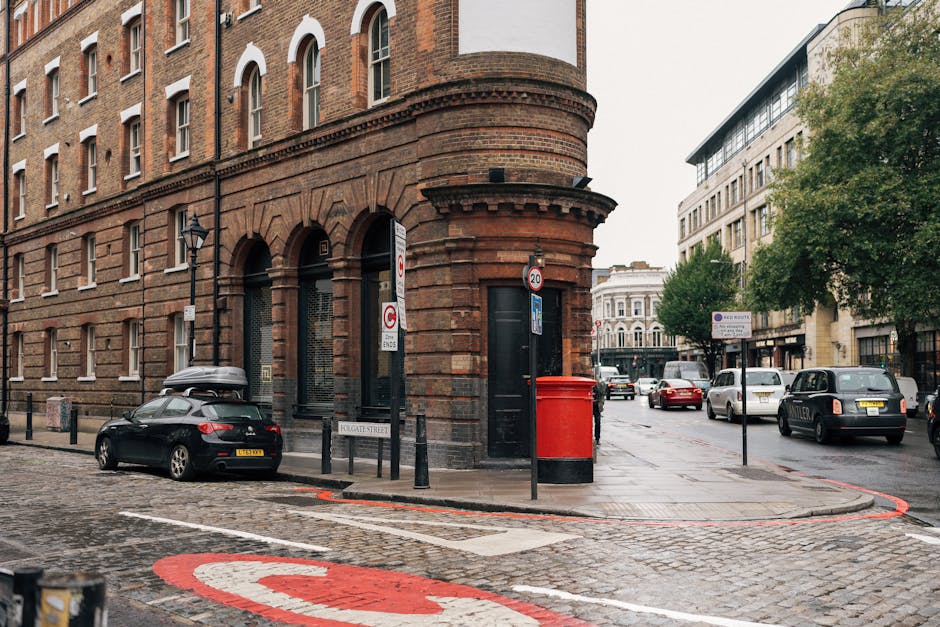
Commercial Rd sits in one of those London pockets where traffic, loading pressure, and limited kerb space all seem to arrive at once. For a move, that creates a very simple problem: if your van cannot stop close enough to the property, everything gets slower, heavier, and a lot more stressful. You can have the best packing plan in the world, but if the driver has to park two streets away, the whole rhythm changes.
That is why parking suspensions matter. They are not just a tidy admin extra. They are a practical way to reserve space, reduce obstruction, and make sure removal crews can load or unload with less disruption. On a busy road like Commercial Rd, that can be the difference between a calm, one-trip flow and a day full of awkward carries, waiting, and awkward apologies to neighbours who are trying to get past.
There is also the safety side. When a van is forced to stop in an inconvenient spot, teams may end up carrying furniture across tighter gaps or closer to live traffic. That increases the chance of scrapes, trips, and rushed lifting. If you want a move to feel controlled rather than improvised, parking planning deserves a proper place in the prep list. It sits neatly alongside packing for a stress-free house move and decluttering before you move, because each one removes friction before move day even starts.
How Parking Suspensions for Moves on Commercial Rd, Whitechapel Works
In plain English, a parking suspension is a temporary pause on normal parking or waiting restrictions in a specific bay, stretch of kerb, or marked area. For moving day, the aim is to create a controlled space where a removal van can stop legally and safely. The exact process can vary, but the basic idea is usually similar: you request the suspension in advance, it gets assessed, and if approved, the relevant space is reserved for the date and time you need.
That sounds straightforward, but the details matter. The road layout, bay type, time of day, nearby businesses, and local access conditions all influence whether a suspension is practical. On Commercial Rd, that is especially important because the road can carry a mix of residential, commercial, and through traffic. A plan that works at 11:00 a.m. on a quiet weekday may be a poor fit for a busier window later in the day.
Normally, the suspension needs to match the move size and access conditions. If you're moving from a flat with a tight stairwell, for example, you may need the van parked as close as possible to avoid long carries. If you are relocating a larger property, you may need more time or a wider loading area. The more accurate your move details are, the better the suspension can support the job. It really is one of those cases where a little precision saves a lot of faff later.
There is also a practical distinction between a parking suspension and simply hoping for a convenient space. Hope is not a plan. A suspension gives you a predictable setup, which is especially helpful if you're coordinating lift access, handcarts, or a team that needs to keep to a schedule. If the move also involves awkward items, you may want to read about handling narrow Victorian stairs and safer lifting techniques so the whole move stays efficient from pavement to front door.
Key Benefits and Practical Advantages
The most obvious benefit is convenience. If the van can stop close to the property, loading and unloading usually becomes quicker and less tiring. That reduces the number of trips, shortens exposure to rain or cold, and helps keep delicate items from being left outside too long. On a drizzly London morning, that is not a small thing.
There is also a cost angle, even if it is not always obvious at first glance. A smoother loading point can help a move finish on time, which is useful whether you are paying by the hour or trying to fit around building access windows. Fewer delays also mean fewer opportunities for a job to drift into the next booking, which nobody wants. Not the mover, not the client, not the neighbour who has to wait for the lift.
Another benefit is reduced risk of penalties or complaints. When a van is left in an unsuitable place, people may be tempted to make a quick stop in a loading lane, on double yellow lines, or somewhere that feels convenient but is not quite right. That can be a costly mistake. A proper suspension helps remove that temptation and keeps the move on the safer side of the line.
Finally, there is the simple mental benefit. You feel more in control when the access plan is already sorted. The move still has enough moving parts. At least parking should not be one of them.
| Approach | Best for | Strengths | Limitations |
|---|---|---|---|
| Parking suspension | Busy roads, limited kerb space, timed moves | Predictable access, closer loading, fewer parking surprises | Needs planning and may not suit very late decisions |
| Standard street parking | Quieter streets or flexible schedules | No formal request process, simple if space is available | Uncertain, time-consuming, higher risk of disruption |
| Private forecourt or driveway | Properties with their own access | Very convenient, minimal public disruption | Not available for most Commercial Rd properties |
Who This Is For and When It Makes Sense
Parking suspensions are not just for large house moves. They can help with a surprising range of situations. If you are in a flat, especially one with limited outside space, a suspension can save a lot of carrying time. If you're moving an office or a mixed-use space, the benefit can be even greater because the move may involve boxes, desks, screens, and a tighter schedule. The calmer the loading point, the better the entire day behaves.
They make particular sense when access is tricky. That might mean a narrow street, busy traffic, resident permit pressures, or a property where the front entrance is awkward to reach. They also help if you are moving larger items like wardrobes, beds, pianos, or sofas. For those jobs, you may find it useful to look at why DIY piano moving is risky and how to relocate a bed and mattress more easily, because both are the sort of items that benefit from short, direct loading routes.
Students moving between lets, landlords arranging check-out removals, and families leaving a long-term home can all benefit too. In fact, if the building has a limited access window or a strict handover time, a parking suspension can be one of the few things that keeps the schedule realistic. That's especially true when combined with a clear packing plan and a bit of decluttering beforehand. A lighter move is easier to stage, no question.
Step-by-Step Guidance
Here is a practical way to approach parking suspensions for a move on Commercial Rd without making the process harder than it needs to be.
- Confirm your moving date and rough time window. A suspension request only really works when the timing is reasonably firm. If the schedule is still wobbling, sort that out first.
- Check the property access. Look at where the van would ideally stop, how far the carry is, and whether any obstacles get in the way. A quick site visit can save a lot of guesswork.
- Estimate the size of the loading area needed. One small van and a few boxes need a very different setup from a full flat move with bulky furniture.
- Prepare supporting details. This may include the road name, property number, move window, and the type of vehicle involved. Keep it accurate. Guessing is a bad habit here.
- Allow enough lead time. A move that looks simple on paper can become awkward if you try to organise parking too late. Build the request into your moving checklist early.
- Plan the loading order. Put the heaviest or most awkward pieces closest to the exit and keep the route clear. If you have a lot of small items, the advice in packing efficiently for moving day is worth following.
- Keep one person in charge of access. A single point of contact helps avoid confusion when the van arrives and the building door is busy.
- Have a fallback plan. Sometimes another vehicle, a blocked bay, or a last-minute street issue gets in the way. It's better to think through Plan B before the day, not while sweating in the road.
One small but useful habit: take photos of the frontage and parking area the day before if you can. Not for drama. Just to make the decision-making easier if there is any confusion about space or positioning.
Expert Tips for Better Results
In our experience, the best move days on busy London roads are the ones where access is treated as part of the logistics, not an afterthought. A few small habits make a big difference.
First, keep the property ready before the van arrives. If the team has to wait while last-minute packing happens, the value of the suspension starts shrinking. Use the extra access to speed things up, not to create more delay. If you want a clear end-of-tenancy approach, the guide on leaving your house pristine before you go can help you organise the final sweep.
Second, use the suspension window properly. If you have two hours, don't spend half of it hunting for a missing kettle, a spare charger, or the one box with important documents. Put those essentials aside earlier. Little things become big things when time is tight.
Third, think about item order. A move with a sofa, mattress, or heavy cabinet should not begin with the fragile things. Load in a logical sequence so the route stays efficient and the crew doesn't need to shuffle items around twice. That kind of double handling wastes energy and increases risk. If furniture storage or temporary holding is part of your plan, these sofa storage tips and freezer storage guidance can be surprisingly useful.
Fourth, keep communication simple. One clear contact number, one clear arrival point, one clear instruction set. That's it. Too many voices can muddy the day fast. And yes, someone will still ask where the tape is. They always do.
Common Mistakes to Avoid
Most problems around parking suspensions are not dramatic. They are just avoidable. The move itself is hard enough without self-inflicted confusion.
- Leaving the request too late. The closer you get to moving day, the fewer options you may have.
- Giving vague details. "Morning sometime" is not enough. Be as clear as possible about the move window.
- Underestimating vehicle size. If the van is larger than expected, the suspension may not support the loading setup properly.
- Ignoring building access. A reserved space is helpful, but if the route inside is blocked, you're still in for delays.
- Assuming the street will be quiet. Commercial Rd can change character quickly depending on the day and hour.
- Not preparing the property beforehand. Last-minute packing is a classic way to lose the benefit of a good parking setup.
- Forgetting removal waste and discard plans. If you are also clearing old items, make sure you understand disposal options. The article on bulky waste collection vs removals in Whitechapel E1 is helpful here.
There is one more mistake worth calling out: treating parking as the only logistical issue. It is not. It is one piece of the move, and a very important one, but it works best when the rest of the plan is tidy too. Otherwise you just move the bottleneck from the kerb to the hallway.
Tools, Resources and Recommendations
You do not need a toolbox full of specialist gear to make parking suspensions work. What you do need is a sensible pack of practical resources and a good bit of organisation. A notebook, phone photos, a printed move plan, parcel tape, labels, and a trolley or sack truck can already make the day more manageable.
For move prep, it helps to use the kind of support that keeps things simple: strong boxes, clear labelling, protective wrap, and a packing order that makes sense. If you want structured help with that part, see a smoother house move plan and decluttering first. Both pair nicely with a parking plan because they cut down the volume of items that need to be carried over distance.
Useful resources to have ready on move day:
- a move-day contact sheet
- the property keys and access instructions
- the van booking details
- a floor plan or room list if the property is large
- basic protection for floors, corners, and furniture
- sturdy packing materials from packing and boxes in Whitechapel if you need supplies
If the move includes specialist or bulky items, the right handling matters just as much as the parking itself. That is especially true for pianos, office equipment, and heavier furniture. A short route and a stable loading point often save more energy than any fancy gadget would. Truth be told, good logistics is usually just good common sense done early.
Law, Compliance, Standards, or Best Practice
Parking suspensions sit in the world of local traffic management, so it is wise to treat them carefully. The exact requirements can differ by location and by the authority overseeing the road, and you should always allow for time to check the latest local process before relying on a suspension. In practice, that means avoiding assumptions and confirming what is needed for your specific move date, vehicle, and loading point.
Best practice usually includes a few simple habits. Give full and accurate details. Keep the move window realistic. Make sure the vehicle details are correct. And do not assume that a general parking space is automatically suitable for loading just because it looks empty. If a suspension is granted, respect the conditions attached to it. If one is not granted, choose a different plan rather than improvising on the pavement.
For moving work, sensible compliance also means keeping paths clear, avoiding unsafe lifting, and not blocking access for residents, emergency vehicles, or nearby businesses. That is especially important in a mixed-use street like Commercial Rd. A good move balances your needs with the reality of everyone else using the road. Boring? Maybe. Necessary? Absolutely.
It is also best practice to make insurance and safety part of the discussion early, especially if you are moving valuable furniture or awkward items. If you're comparing providers or planning a more complex relocation, the pages on insurance and safety and health and safety policy can help you understand the kind of care a professional move should involve.
Options, Methods, or Comparison Table
Not every move on Commercial Rd needs a parking suspension. Sometimes another method is enough. Here is a simple way to compare the main options.
| Option | What it offers | When it works well | What to watch out for |
|---|---|---|---|
| Parking suspension | Reserved loading space | Busy roads, strict timing, heavy or bulky loads | Needs planning and accurate details |
| Pay-and-display or standard street parking | Flexible if a space is available | Quieter streets and low-pressure moves | Space may not be close enough or available at all |
| Private access or driveway loading | Fast and direct access | Homes or properties with off-street space | Rare in dense urban settings |
| Full-manual carry from a distant bay | No formal parking planning needed | Small, light moves only | Slower, harder work, higher risk of fatigue |
For most moves on Commercial Rd, the parking suspension is the cleanest middle ground. It gives structure without overcomplicating the day. A manual carry from far away can work, but it tends to punish you later. As for pure luck? Let's not build a move on luck.
Case Study or Real-World Example
Imagine a second-floor flat on Commercial Rd with a narrow stairwell and a sofa that definitely looks heavier than it did in the shop. The move is booked for a weekday morning, and the aim is to clear the property before the building handover deadline. Without a parking suspension, the van might have to stop a short distance away, which means longer carries and more time spent weaving around pedestrians and traffic.
With a reserved loading space, the team can park close to the entrance, carry items in a short straight line, and keep the work moving at a steady pace. Boxes go out first, then the mattress, then the sofa, then the awkward little table that somehow survived four different homes. The whole thing feels less rushed. Fewer pauses, fewer body-bending turns, fewer moments where someone mutters, "Hang on, let me just..."
Now compare that with a move where the parking plan is left to chance. If the van ends up a road away, the same items still need moving, but every item takes longer and more energy. By the time the final sweep starts, everyone is more tired and less patient. That is when mistakes creep in. A missing key, a damaged corner, a box left behind in the bathroom cupboard. Small stuff, but it adds up.
The lesson is simple. Parking access is not glamourous, but it shapes the whole mood of the move. A bit of planning up front can save a lot of grit later.
Practical Checklist
Use this checklist to keep a Commercial Rd move more controlled and less chaotic.
- Confirm the moving date and ideal arrival window.
- Check whether the property needs a parking suspension or another access plan.
- Measure the likely carry distance from van to door.
- List any bulky, fragile, or awkward items early.
- Finish decluttering before move day.
- Pack the essentials box separately.
- Label rooms clearly so unloading stays quick.
- Protect furniture and breakables before the van arrives.
- Keep keys, access codes, and contacts easy to reach.
- Prepare a fallback plan if the parking setup changes.
- Clear the route inside the property, including hallways and stairs.
- Review waste or disposal arrangements for items you are not taking.
- Make sure the van and load size match the move properly.
That is the kind of list that keeps the day moving. Nothing fancy. Just steady, sensible prep.
Conclusion
Parking suspensions for moves on Commercial Rd, Whitechapel are really about control. They help you shorten the gap between the van and the front door, reduce stress, and avoid a lot of the little complications that turn a normal move into a long one. When the access is handled properly, everything else has a better chance of going to plan.
If you're moving soon, the smartest next step is to think about access early, not after the boxes are stacked by the door. Match the parking plan to the property, keep the schedule realistic, and use the rest of the preparation time to get your packing, decluttering, and lifting sorted out. That combination tends to work far better than last-minute improvisation ever does.
Get a free quote today and see how much you can save.
And if the day still feels a bit much, that's normal. Moves can be noisy, messy, and oddly emotional. Take it one sensible step at a time, and it usually comes together in the end.